In the world of modern dentistry and reconstructive surgery, osseointegrated dental implants are one of the most transformative innovations of the last century in the entire field of dentistry. Whether it’s restoring a lost tooth or anchoring a prosthetic limb, this technology has redefined both form and function, offering long-lasting, stable, and natural-feeling solutions for patients.
But what exactly are osseointegrated dental implants, and why are they considered a gold standard in their field? In this blog article, we’ll dive deep into their definition, development, procedure, benefits, risks, and future scope.
1. What Are Osseointegrated Implants?
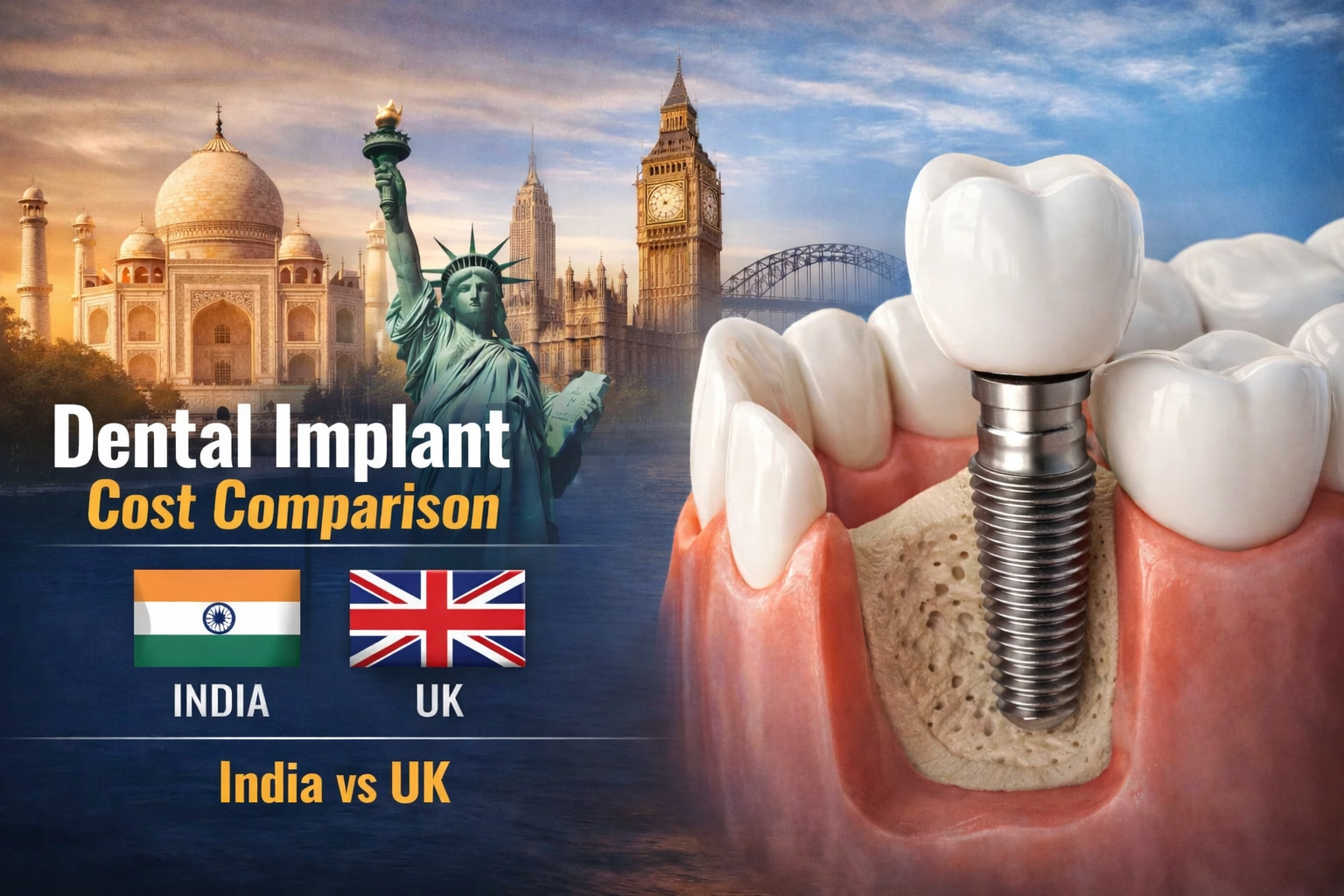
Osseointegration is a biological process where bone tissue grows and attaches directly to the surface of an implant, usually made of titanium. When an implant becomes “osseointegrated,” it effectively becomes a part of your body.
Unlike basal implants that rely on mechanical anchorage, osseointegrated implants create a seamless bond between metal and bone resulting in much stronger and longer lasting result. This technology is widely used in different medical fields as dental implants, craniofacial prosthetics, and even in orthopaedic limb replacements.
2. The History and Evolution of Osseointegration
The concept of osseointegration was pioneered by Dr. Per-Ingvar Brånemark, a Swedish orthopaedic surgeon, in the 1950s. While studying blood flow in rabbit bones, he accidentally discovered that titanium chambers embedded in bone could not be removed easily due to their biological bonding.
This accidental discovery led to a decade of committed research on dental implants and protocols in the mouth, finally leading to the first successful dental implant procedure in 1965, changing the landscape of restorative dentistry forever from removable only to fully fixed dental replacement of teeth, even in the absence of teeth.
Since then, osseointegration has evolved with advanced biomaterials, surface treatments, and surgical techniques, making it one of the most reliable medical procedures globally with ever continuing research and advancements to this date.
3. The Science Behind Osseointegration
The magic of osseointegration lies in the body’s natural healing process. When a titanium implant is inserted into the bone, it triggers a series of biological responses:
Inflammation and clot formation
Bone remodeling and regeneration
Cell adhesion and protein coating
Formation of a direct bone-to-implant interface
Over time, bone cells grow directly onto the titanium surface, providing a stable foundation for prosthetics or artificial teeth.
4. Common Medical Applications of Osseointegration
Osseointegrated implants are now used in various medical and dental fields:
Dental Implants
These are the most common form. Used to replace missing teeth, they support crowns, bridges, or dentures.
Craniofacial Prosthetics
Used to anchor artificial ears, noses, or eyes in patients with congenital conditions or trauma.
Orthopaedic Limb Prosthetics
Amputees benefit from osseointegrated limb prostheses, where the prosthetic is directly connected to the bone for enhanced stability and control.
Hearing Implants
Bone-anchored hearing aids (BAHA) also utilize osseointegration for sound conduction through the skull.
5. Materials Used in Osseointegrated Implants
The most widely used material is titanium, thanks to its:
Biocompatibility
Corrosion resistance
Strength and lightweight nature
In recent years, materials like zirconia and titanium alloys have gained popularity for their improved aesthetics and strength, especially in dental applications.
6. Step-by-Step Procedure of Getting an Osseointegrated Implant
Let’s break down the process of receiving an osseointegrated dental implant:
1. Consultation and Imaging
A dentist or surgeon evaluates your condition using Intraoral scans, X-rays or CBT scans to assess bone density and dimensions as well surrounding anatomical structures.
2. Surgical Placement
The implant of the most suitable dimensions and properties is surgically inserted into the jawbone or bone site at the right depth and angle.
3. Healing Period (Osseointegration Phase)
This crucial stage can last 3 to 6 months. During this time, the bone grows around and fuses with the implant. Although the healing takes place for months, there is no discomfort or disability at the site. This healing does not require close monitoring, physiotherapy or long periods of restrictions like other surgeries in the medical field.
4. Abutment and Crown Placement
Once healed, an abutment is placed over the implant to support the permanent crown that will replace the missing tooth.
7. Advantages of Osseointegrated Implants
Here’s why patients and doctors prefer this method over traditional alternatives:
✅ Superior Stability
These implants are anchored directly into the bone offering unmatched stability, and function.
✅ Long-Term Durability
When properly maintained, osseointegrated implants can last decades or even a lifetime.
✅ Natural Look and Feel
Especially in dental cases, these implants mimic the natural structure and function of teeth becoming almost indistinguishable from natural teeth.
✅ Bone Preservation
They prevent bone loss by stimulating the surrounding bone tissues, unlike traditional dentures.
✅ Improved Quality of Life
Patients report higher comfort, confidence, and functionality.
8. Potential Risks and Complications
While osseointegrated implants are generally safe, no surgical procedure is entirely without risk. Possible issues include:
Infection at the implant site
Implant loosening or failure
Peri-implantitis (inflammation around the implant)
Bone resorption
Pain or nerve damage
Proper surgical technique, hygiene, and follow-up care are essential to minimizing these risks. Most of the complications can be tackled with early communication and timely intervention.
9. Who Is an Ideal Candidate for Osseointegrated Implants?
Not everyone is suited for this procedure. The ideal candidate should have:
Good overall health
Sufficient bone volume and density
No uncontrolled diabetes or blood disorders
No smoking addiction or a commitment to control the frequency
Commitment to oral hygiene and follow-ups
In some cases, Preparatory conditioning of habits and Pre implant surgeries might be needed before the dental implant procedure.
10. Aftercare and Maintenance Tips
Post-procedure care is crucial for the longevity of osseointegrated implants. Here’s what patients should do:
Brush and floss regularly (for dental implants)
Use non-abrasive toothpaste and soft brushes
Attend regular check-ups and cleanings
Systemic health to be monitored well
Follow the doctor’s aftercare guidelines strictly
For dental implants, proper hygiene and removal of plaque and calculus buildup are critical to prevent infections.
11. Cost of Osseointegrated Implants
The cost varies depending on:
Brand and type of implant
Number of implants
Geographic location
Additional Material used
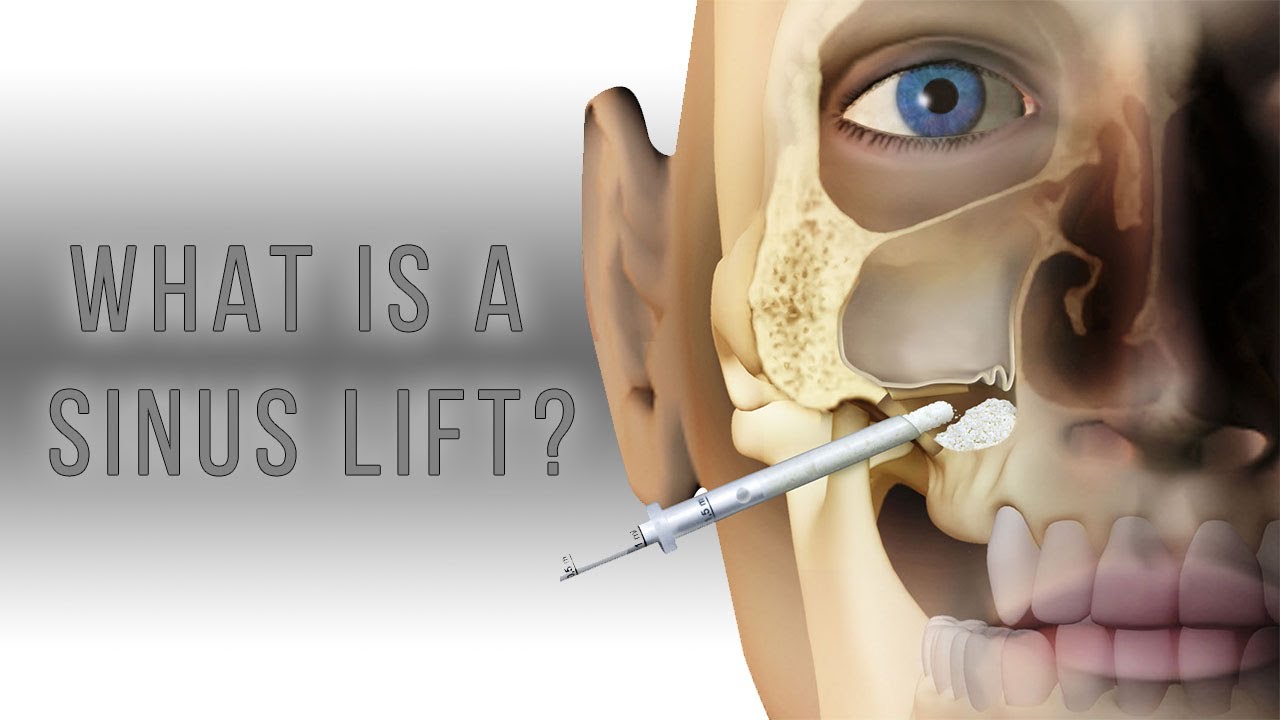
Need for preparatory procedures (e.g., bone grafting)
Dental implants cost can range from 25,000 INR to 90,000 INR per tooth, with costs varying more due to surgical complexity.
12. Future of Osseointegrated dental implants: What’s Next?
As biotechnology and 3D printing evolve, the future of osseointegrated implants looks even more promising. Current research is focused on:
Custom implants for custom case scenarios
Surface coatings that accelerate healing
Immediate and predictable functionalization of dental implants
Stem cell, host blood derivate therapy to enhance integration
Reducing the frequency and time in between surgeries and appointments from treatment planning to final teeth
These advances may lead to faster recovery, lower infection rates, and more affordable treatments in the near future.
Conclusion
Osseointegrated dental implants represent a remarkable blend of biology and engineering. From giving someone back their smile to enabling unrestricted food indulgement, their impact on quality of life is profound and deeply personal.
If you’re considering this option consult with our professionals in Scientific Dental Clinic to determine if it’s the right fit for your needs. With proper care and expert planning, osseointegrated dental implants can last a lifetime, providing confidence, functionality, and comfort like never before.