
LOOSE TEETH

What Are Loose Teeth (Tooth Mobility)?
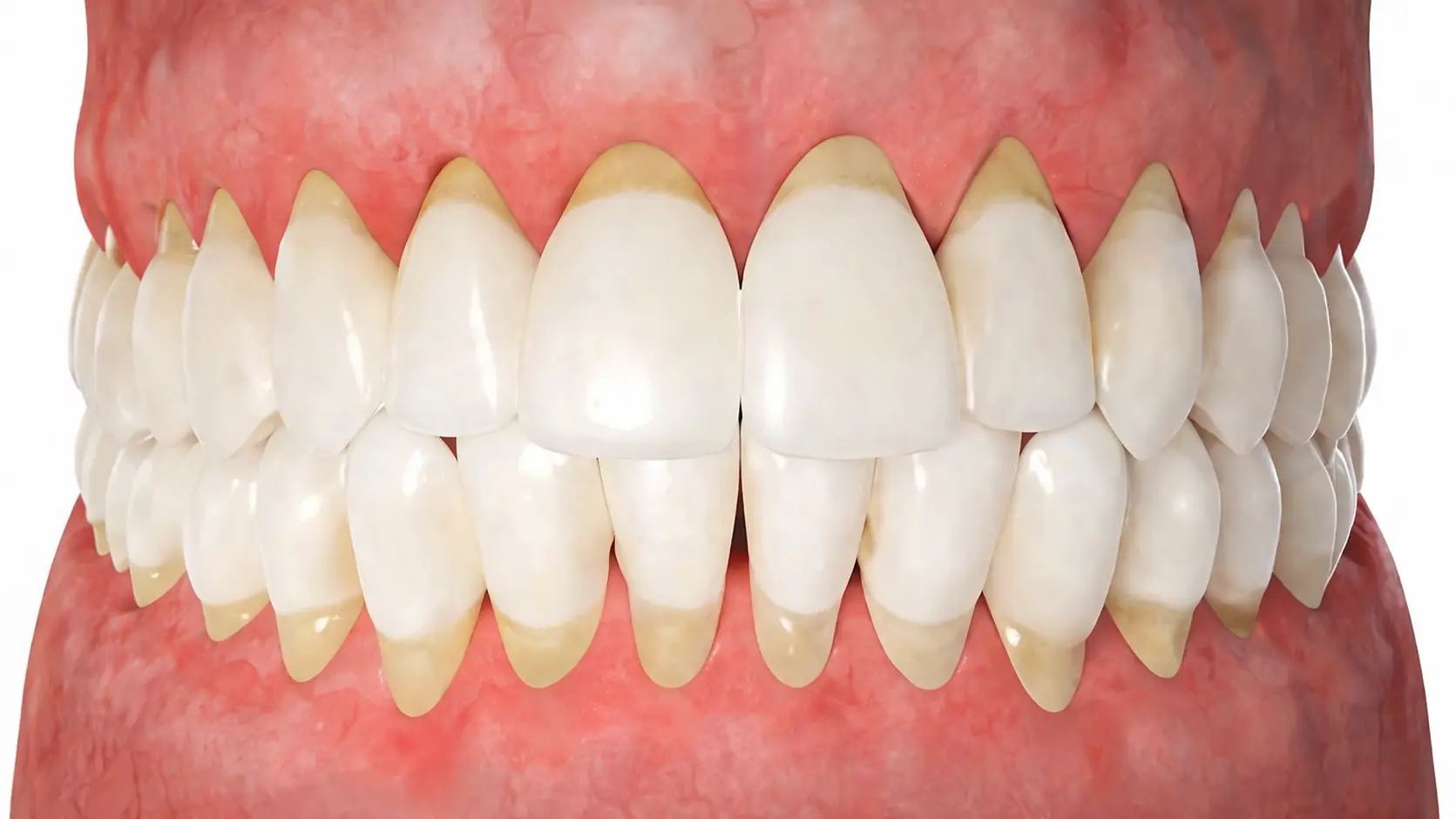
Loose teeth, clinically referred to as tooth mobility, occur when the supporting structures of the teeth gums, periodontal ligaments, and jawbone—become weakened or damaged. In adults, this condition is not normal and typically indicates an underlying dental issue, most commonly periodontal (gum) disease.
Teeth are naturally anchored within the alveolar bone through a network of connective tissues. When infection, inflammation, or excessive force disrupts this support system, teeth may begin to shift, loosen, or change position. Without timely intervention, this process can progress to permanent tooth loss.
Symptoms of Loose Teeth
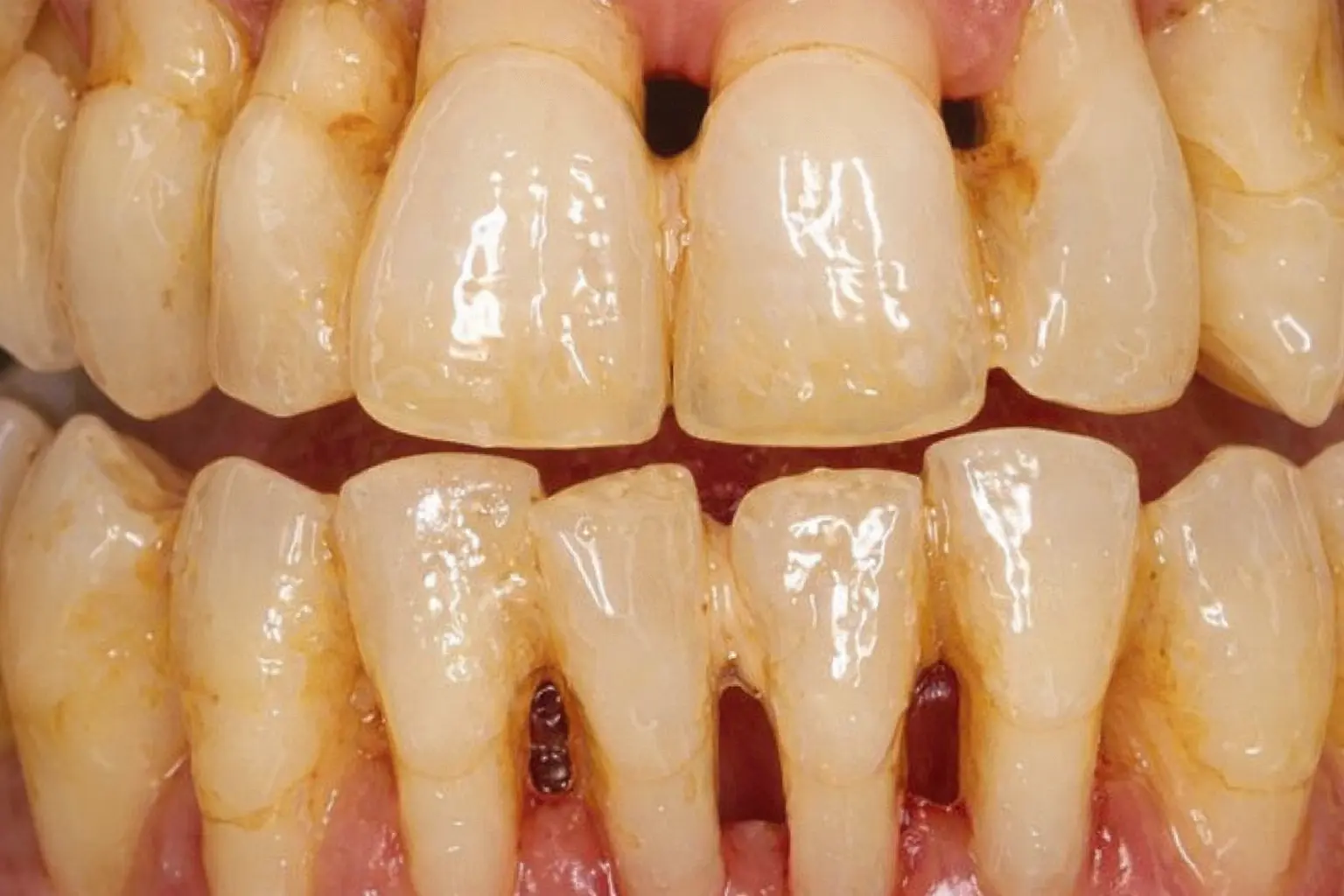
Recognizing early symptoms is essential for preventing long-term complications. Common signs include:
- Bleeding during brushing or flossing
- Red, swollen, or tender gums
- Gum recession (teeth appearing longer)
- Persistent bad breath or unpleasant taste
- Teeth shifting or development of spaces between teeth
- Pain or discomfort while chewing
- A noticeable feeling of looseness in one or more teeth
These symptoms often indicate active gum infection and bone loss, which require professional care.
Main Causes of Loose Teeth
1. Periodontal Disease (Gum Disease)
This is the most common cause. Bacterial plaque accumulates along the gum line, leading to inflammation (gingivitis), which can progress to periodontitis. In advanced stages, the infection destroys the supporting bone, resulting in tooth mobility.
2. Poor Oral Hygiene
Inadequate brushing and flossing allow plaque and tartar buildup, accelerating gum disease and weakening tooth support structures.
3. Smoking and Tobacco Use
Tobacco significantly reduces blood circulation to the gums, impairing healing and increasing susceptibility to infection and bone loss.
4. Systemic Health Conditions
Conditions such as diabetes can compromise the immune response, making it harder to control infections and maintain healthy gums.
5. Occlusal Trauma (Bite Issues)
Excessive forces caused by teeth grinding (bruxism) or an imbalanced bite can gradually damage the periodontal ligament and supporting bone.
6. Hormonal Changes
Hormonal fluctuations may increase gum sensitivity and inflammation, making tissues more vulnerable to infection.
Diagnosis of Loose Teeth
A precise diagnosis is essential to determine the severity of the condition and the appropriate treatment approach.
Diagnostic Procedures Include:
- Detailed clinical examination of gums and teeth
- Mobility grading to assess the level of tooth looseness
- Periodontal probing to evaluate gum pocket depth
- Digital radiographs (X-rays) to measure bone loss
This comprehensive evaluation helps identify whether the tooth can be preserved or requires replacement.
Can Loose Teeth Be Saved?
Early to Moderate Stages
When diagnosed early, loose teeth can often be stabilized and preserved.
Treatment options include:
- Scaling and root planing: Removal of plaque and tartar below the gum line
- Antimicrobial therapy: To control bacterial infection
- Splinting: Stabilizing mobile teeth by joining them with adjacent teeth
- Bite correction: Reducing excessive forces on affected teeth
- Improved oral hygiene protocols: Tailored home care guidance
These interventions aim to stop disease progression and restore stability.
Advanced Stage:
When Tooth Removal Is Required
In cases of severe bone loss, the supporting structure may be irreversibly damaged. Retaining such teeth can compromise adjacent teeth and overall oral health.
Definitive Solution: Dental Implants
Dental implants are widely regarded as the most predictable and long-term solution for replacing missing teeth.
Key Benefits:
- Replace both the tooth root and crown
- Prevent further bone resorption
- Preserve adjacent natural teeth
- Restore chewing efficiency and speech
- Provide a natural appearance and long-term durability
Related Treatments:
- Single Tooth Replacement
- Full Mouth Rehabilitation (All-on-4 / All-on-6)
Impact of Delayed Treatment
Ignoring loose teeth can lead to progressive complications, including:
- Ongoing bone destruction
- Spread of infection to surrounding teeth
- Difficulty in chewing and nutritional compromise
- Changes in facial structure due to bone loss
- Increased need for complex and costly treatments
Early intervention significantly improves prognosis and treatment success.
When Should You Seek Dental Care?
Immediate consultation is recommended if you experience:
- Any degree of tooth looseness
- Persistent gum bleeding or swelling
- Pain during chewing
- Noticeable changes in bite or tooth position
Prompt evaluation allows for conservative treatment and better outcomes.
Book Your Consultation
If you are experiencing loose teeth or symptoms of gum disease, early professional care is essential.
Schedule a consultation at Scientific Dental Clinic to receive an accurate diagnosis and a customized treatment plan.
Frequently Asked Questions (FAQs)

Book Appointment

Consultation

Dental Treatment

Payment



Mr.Grahambell is working for the Petroleum industry in Australia. He had his full mouth dental implants done in 2010.

A senior ICU nurse in Australia. A chief nurse of her caliber has very carefully scrutinized the sterilization standard at Scientific Dental Clinic and after being personally satisfied she decided to represent the clinic in Australia.